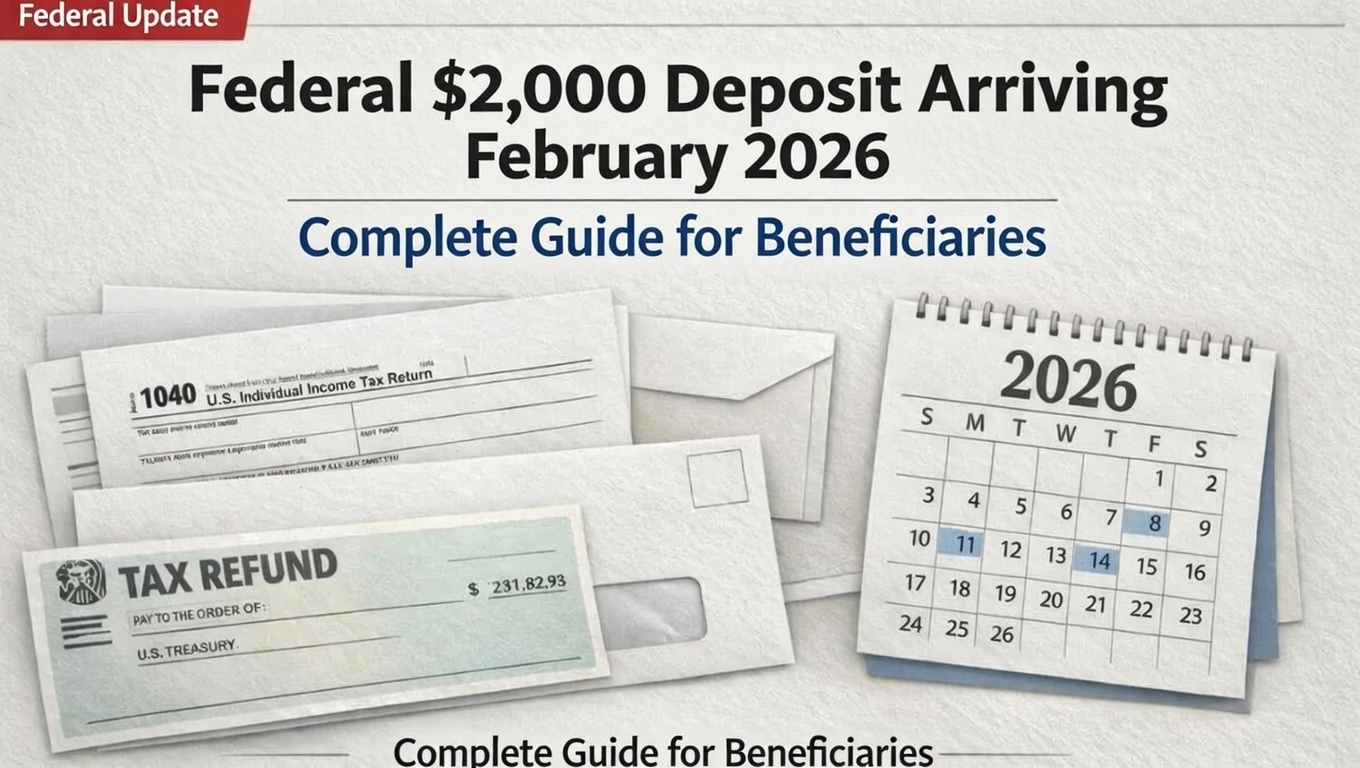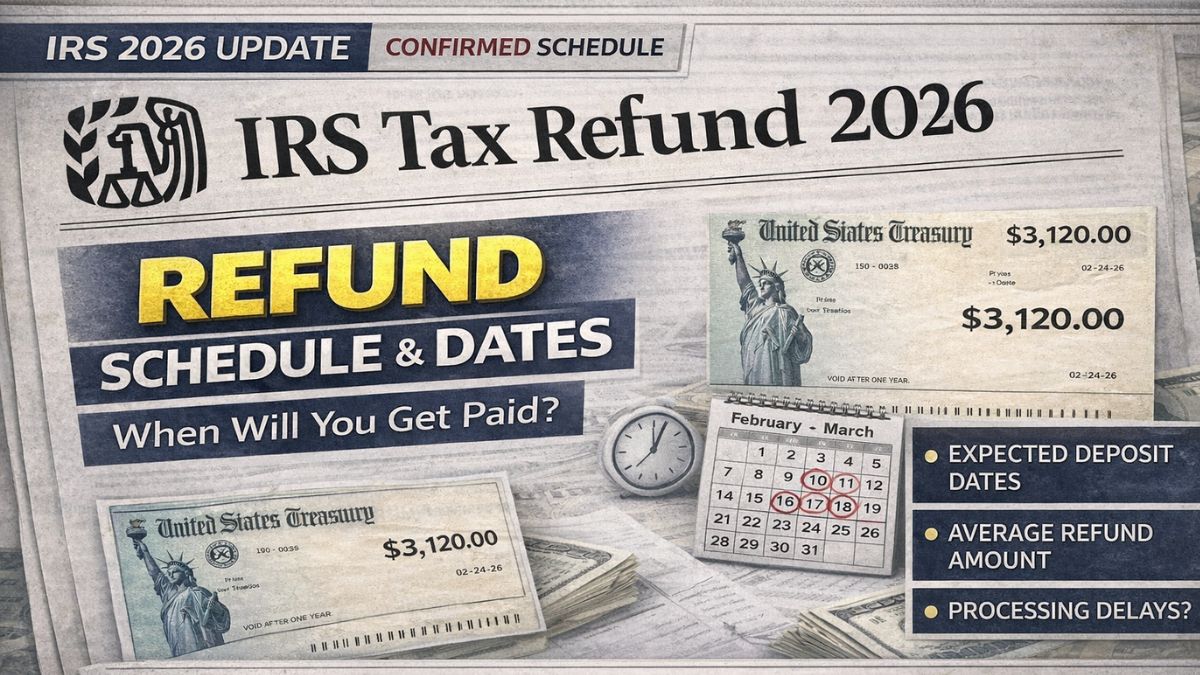
As the 2026 tax season approaches, many taxpayers are preparing to file their federal income tax returns. For many households, a tax refund is an important part of the yearly financial plan. Families often use this money to cover rent, pay monthly bills, reduce loan balances, or add to savings. Although there is no single refund date that applies to everyone, understanding how the system works can make the experience easier and less stressful.
What a Tax Refund Means
A tax refund happens when the total amount of federal income tax paid during the year is more than the actual amount owed. Most employees have taxes automatically withheld from their paychecks. When you submit your annual tax return, the government reviews your total income and calculates your final tax liability. After applying deductions and tax credits, the calculation shows whether you paid too much or too little. If you overpaid, the extra amount is sent back to you as a refund. If you did not pay enough, you may need to pay the remaining balance.

Why Refund Amounts Vary
Refund amounts are different for each taxpayer because financial situations vary widely. Your yearly income plays a major role in determining how much tax you owe. Filing status, such as single or married, also affects the final calculation. Some people qualify for refundable tax credits, which can increase the amount of money returned. Deductions reduce taxable income, which may lower the total tax owed and potentially increase the refund.
Changes during the year can also impact your tax outcome. Marriage, divorce, a new job, unemployment, or having a child can all change your tax situation. Even adjusting your tax withholding at work may result in a larger or smaller refund compared to past years.

Processing Time and Possible Delays
The federal tax filing system usually opens in late January. Once your return is accepted, it moves into the processing stage. Filing electronically and choosing direct deposit is generally the fastest way to receive a refund. Many electronic filers receive payment within two to three weeks after acceptance, but this timeline is not guaranteed. Paper returns often take longer due to manual handling.
Mistakes such as incorrect Social Security numbers, wrong bank details, missing forms, or identity verification checks can delay refunds.

Disclaimer: This article is for informational purposes only and does not provide tax, financial, or legal advice. Refund amounts and processing times vary based on individual circumstances and official procedures. For personalized guidance, consult official tax authority resources or a qualified tax professional.