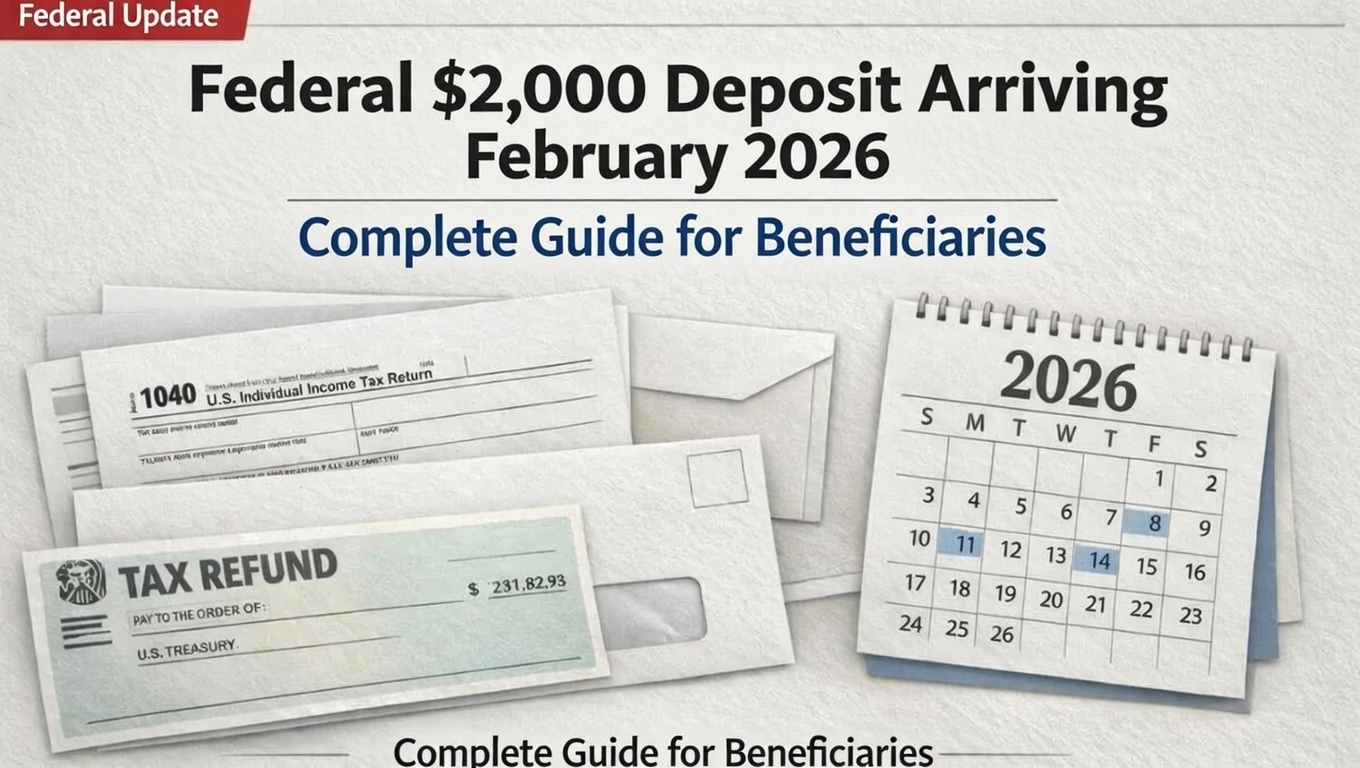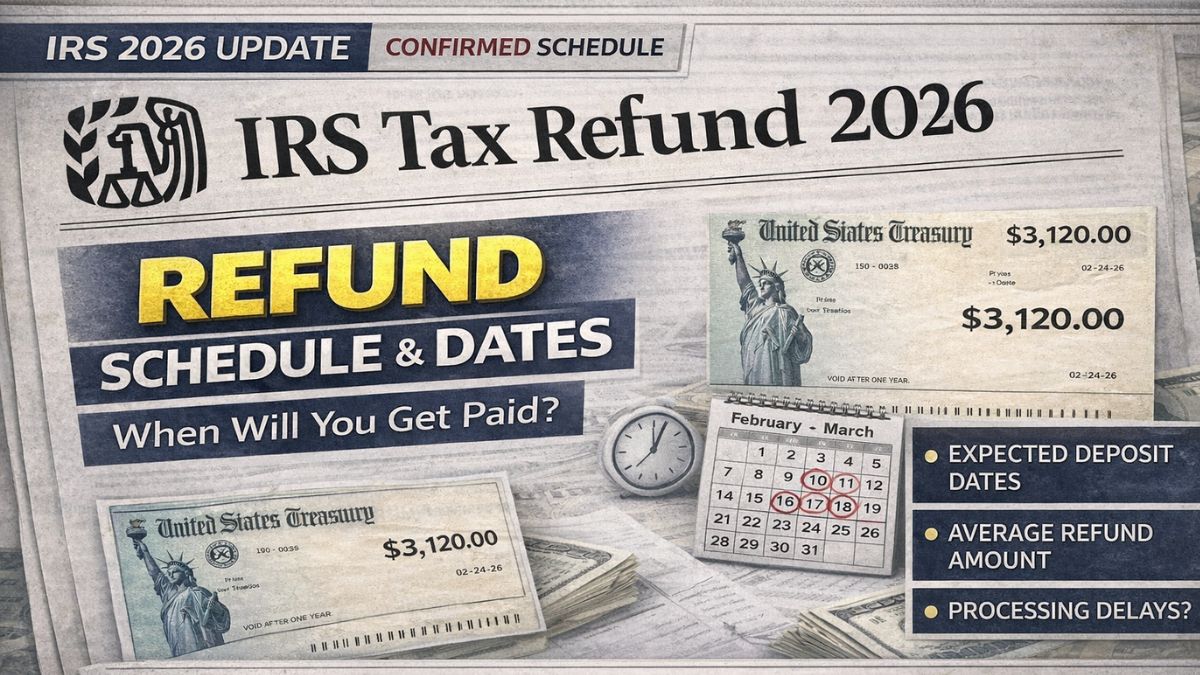
The 2026 tax season is officially in progress, and many Americans are waiting for their federal tax refunds. For a large number of families, a refund is not just extra cash. It often helps cover rent, pay monthly bills, reduce outstanding debt, manage school expenses, or add to personal savings. Because this money supports important household needs, understanding how the IRS refund deposit schedule works can help reduce confusion and financial stress.
When the IRS Starts Processing Returns
The Internal Revenue Service began accepting federal tax returns for the 2025 tax year in late January 2026. After you submit your return, it first goes through an acceptance stage. Acceptance means your return has passed basic system checks, including verification of Social Security numbers and required details. However, acceptance does not mean your refund has been approved. Once accepted, the IRS reviews income information, tax credits, and personal data before authorizing payment.

Electronic filing has become the most common method for submitting returns. When taxpayers file electronically and choose direct deposit, their information moves quickly through automated systems. This often results in faster processing compared to paper returns, which must be manually opened and entered into the system.
Typical Refund Timeframes
For most taxpayers who e-file and select direct deposit, refunds are generally issued within about 21 days after the return is accepted. In straightforward cases where there are no errors or special reviews, refunds may arrive within 10 to 14 days. However, the 21-day period is only an estimate and not a guaranteed deadline. Each tax return is unique, and certain factors may extend the timeline.
Also Read:
 IRS Tax Refund 2026 Schedule: Expected Dates, Refund Amounts, and Processing Time Explained
Paper returns usually take several additional weeks because they require manual handling. Choosing to receive a paper check instead of direct deposit can also add mailing time before funds reach your account.
Reasons Refunds May Be Delayed
Some refunds are delayed due to required verification checks. Returns claiming credits such as the Earned Income Tax Credit or Additional Child Tax Credit may be held longer under federal review rules. Identity verification, incorrect bank information, missing forms, or mismatched income records can also slow processing. Even small mistakes may cause the IRS to review a return manually.
Tracking Your Refund
Taxpayers can monitor their refund status using the official “Where’s My Refund?” tool available on the IRS website. The system shows when a return is received, approved, and sent. Updates are typically posted once per day.
Disclaimer: This article is for informational purposes only and does not provide tax, legal, or financial advice. IRS processing times and refund schedules vary depending on individual tax situations and official guidance. For accurate information, consult the official IRS website or a qualified tax professional.